
People often ask me,
“How have you maintained your weight for more than eight years?”
“How do you manage your blood sugar?”
The truth is…
I didn’t begin this journey because I had the answers.
I began because I was afraid.
Diabetes runs in my family.
So do heart disease, cancer, and several other chronic conditions.
After my mother passed away in 2019, that fear became even stronger.
I didn’t simply want to lose weight.
I didn’t want to become the next chapter in my family’s medical history.
For years, two questions stayed with me.
What went wrong?
And how should I live differently?
Those questions quietly shaped almost every health decision I made.
I Measured My Blood Sugar Constantly
There was a time when I checked my blood sugar almost obsessively.
After meals.
After walking.
An hour later.
Sometimes even again after that.
Some days, my fingertips became sore from finger-stick testing.
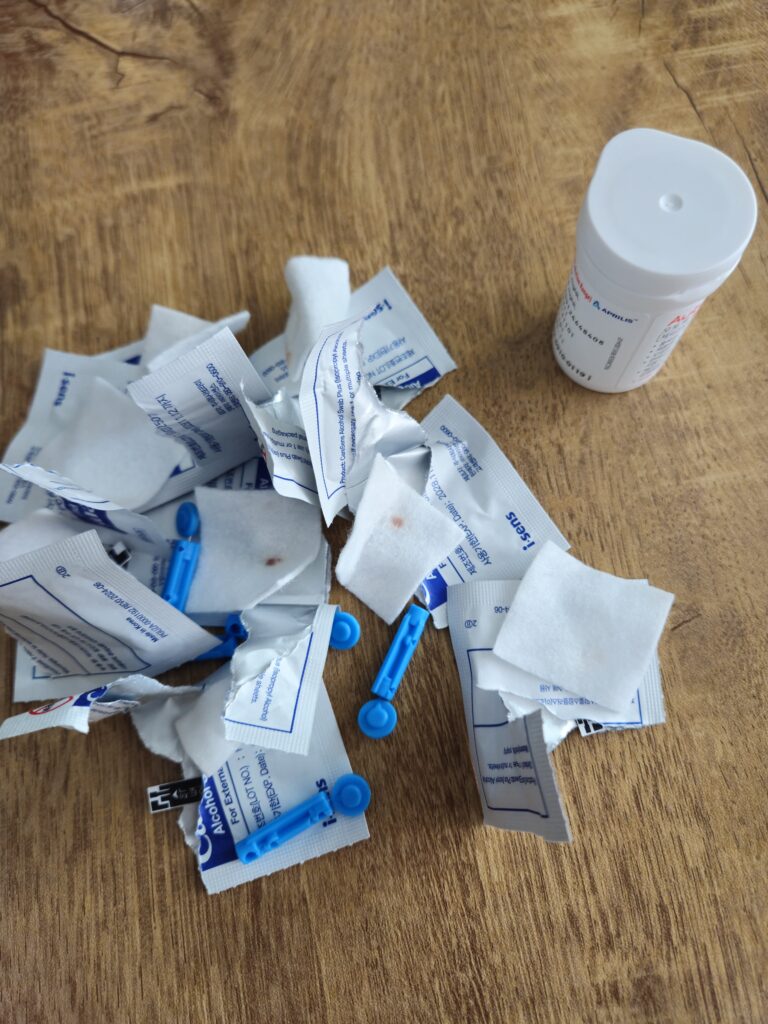
Even the smallest rise in my blood sugar made me anxious.
Like many people trying to improve their metabolic health, I adopted the now-popular habit of eating vegetables first, protein next, and carbohydrates last.
I also made it a habit to walk after every meal.
Both strategies helped.
My weight remained remarkably stable.
And yet, something still didn’t make sense.
The Day Pasta Taught Me Something Unexpected
One day, I had a bowl of pasta.
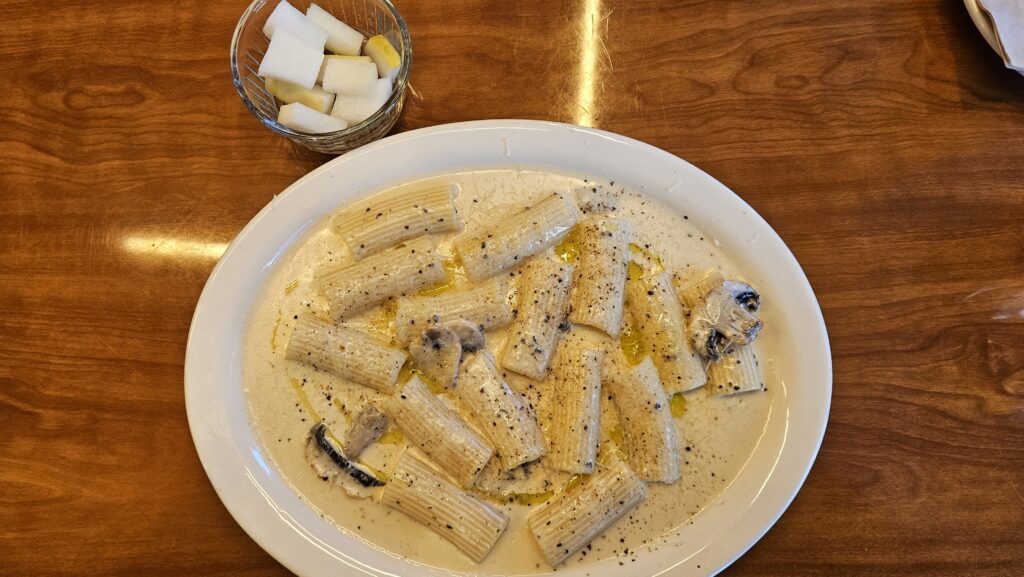
I followed my usual routine.
Vegetables first.
Protein next.
Carbohydrates last.
Afterward, I walked for more than thirty minutes.
My blood sugar came down.
I remember thinking,
“Great. Everything worked exactly as planned.”
Then I returned to work.
More than two hours after lunch, I decided to check my blood sugar one more time.
It had climbed to nearly 170 mg/dL.
I stared at the number.
Why?
I walked.
I followed the food order.
So why did my blood sugar rise again?
At that moment, I couldn’t explain what I was seeing.
I understood metabolism through textbooks and scientific papers.
But I hadn’t yet connected that knowledge to what was actually happening inside my own body.
That realization would take years.
The Lesson Wasn’t About Numbers
Everything changed in 2025.
That was the year I wore a Continuous Glucose Monitor (CGM) for the first time.
At first, I thought it was simply a more convenient way to measure my blood sugar.
I couldn’t have been more wrong.
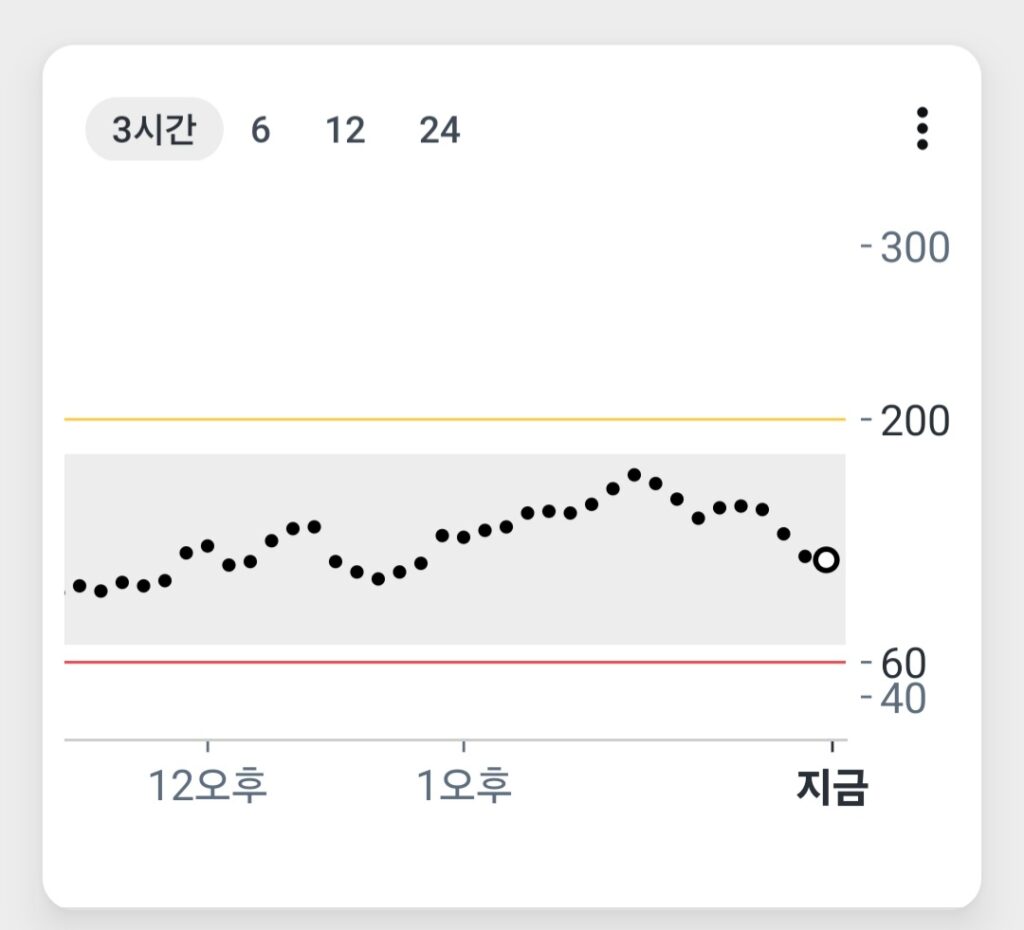
After just a few days, I realized I wasn’t looking at blood sugar readings anymore.
I was looking at patterns.
The numbers themselves became less important.
The story behind those numbers became everything.
That single realization completely changed the way I think about metabolic health.
Your Body Learns Through Repetition
The more I watched my blood sugar patterns, the more I realized something surprising.
Our bodies don’t simply respond to one meal.
They respond to the habits we repeat every day.
We wake up around the same time.
We eat similar foods.
We move in familiar ways.
Someone who snacks late at night often finds themselves opening the refrigerator at the same hour—even when they aren’t truly hungry.
Someone who always says,
“I still have room for dessert,”
usually isn’t responding to hunger.
They’re responding to a pattern.
I eventually realized I had my own patterns, too.
After every meal, I focused on the numbers.
Check my blood sugar.
Go for a walk.
Check it again.
Walk a little more.
I thought I was listening to my body.
In reality, I was reacting to numbers.
But my body wasn’t keeping score the way I was.
It wasn’t remembering a single meal.
It was learning from everything I did repeatedly.
That’s when I finally understood what had happened on the day I ate that bowl of pasta.
Walking wasn’t the whole story.
Digestion wasn’t over.
My body was still processing carbohydrates long after I thought the meal was finished.
I had been paying attention to whether I walked.
I began to realize that when I walked mattered, too.
Timing mattered.
The type of carbohydrate mattered.
The amount mattered.
That realization became one of the biggest turning points in my health journey.
The Dumplings That Reminded Me of My Mother
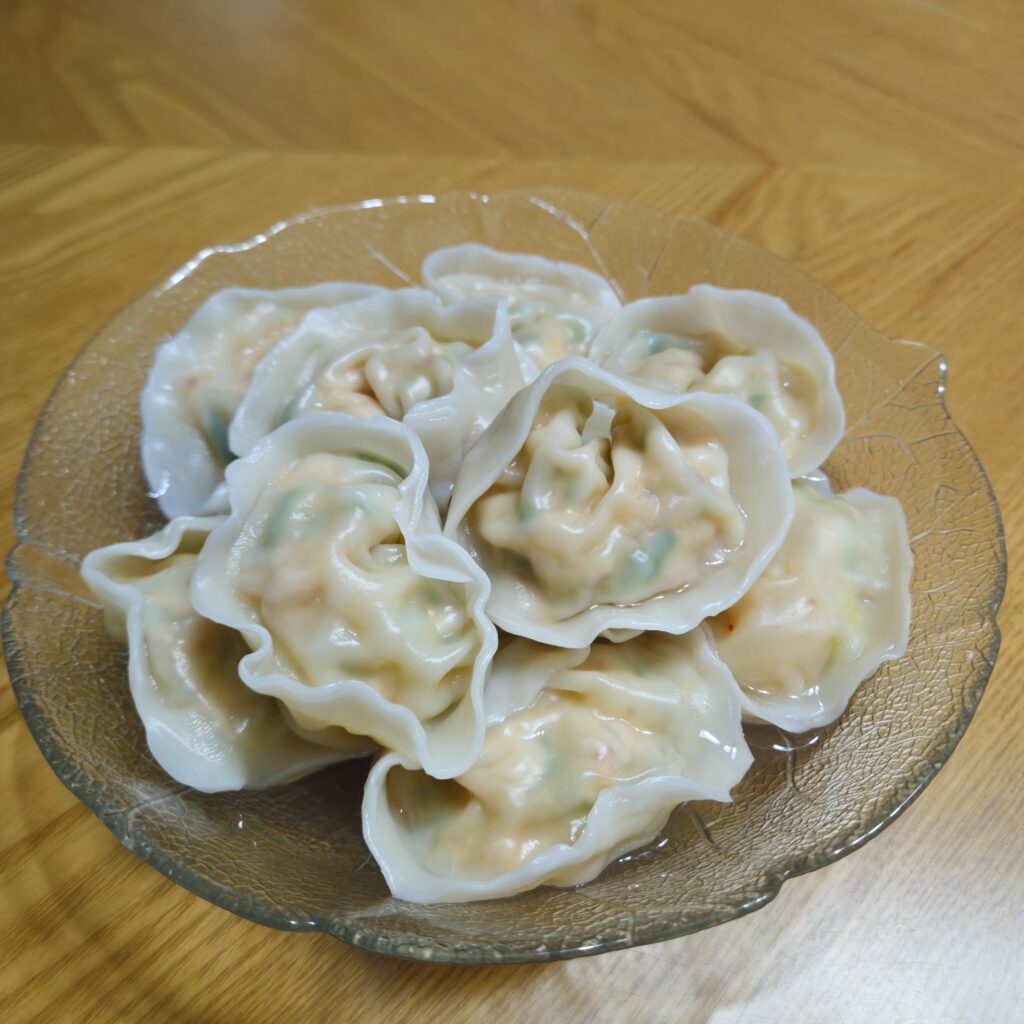
Not long ago, I made one of my favorite family recipes.
Korean-style dumplings filled with zucchini and tofu.
My grandmother made them for my mother.
Years later, my mother taught me how to make them.
Now, every summer, when zucchini is in season, I make them myself.
They’re more than food.
They’re part of my family’s story.
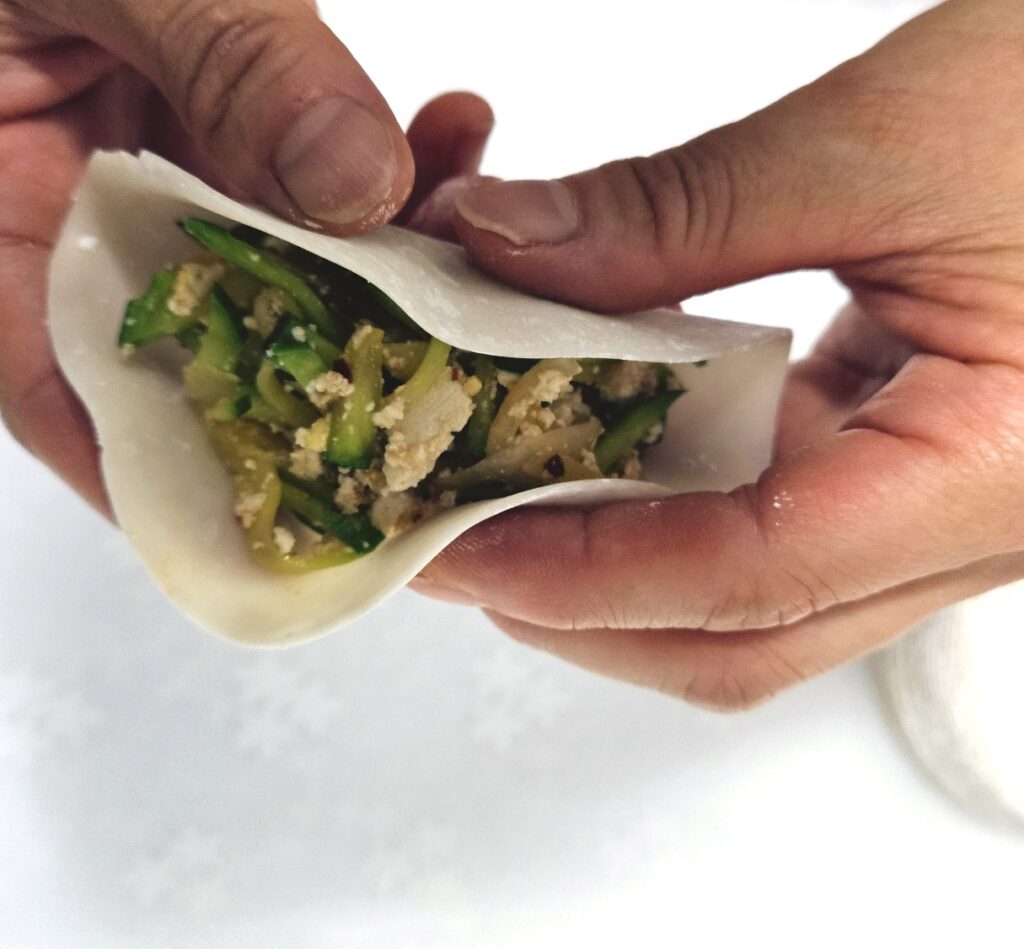
As I prepared them, I already knew my blood sugar would probably rise.
But I wanted to enjoy them anyway.
So I did.
I ate fifteen dumplings.
That day, I started my walk later than usual because I was cleaning up after the meal.
By the time I started walking, my blood sugar had already climbed above 200 mg/dL.
And even after I began walking, it didn’t come down as quickly as I expected.
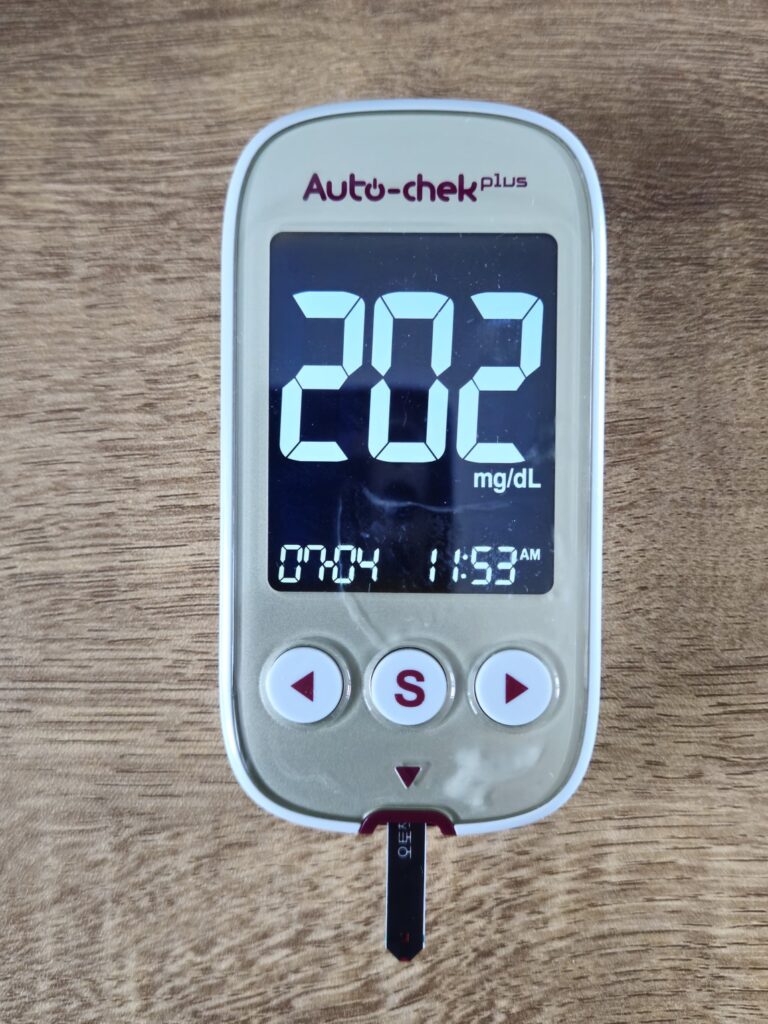
Years ago, that number would have terrified me.
I would have immediately asked,
“Am I becoming diabetic?”
Today, I ask a different question.
Why did my body respond this way?
The number itself isn’t the answer.
It’s a clue.
By then, I knew there was more to consider.
The timing.
The amount of carbohydrate.
The delayed digestion.
How digestion affected my blood sugar over time.
That evening, I didn’t avoid carbohydrates because I believed they were “bad.”
Instead, I chose to give my body a chance to recover.
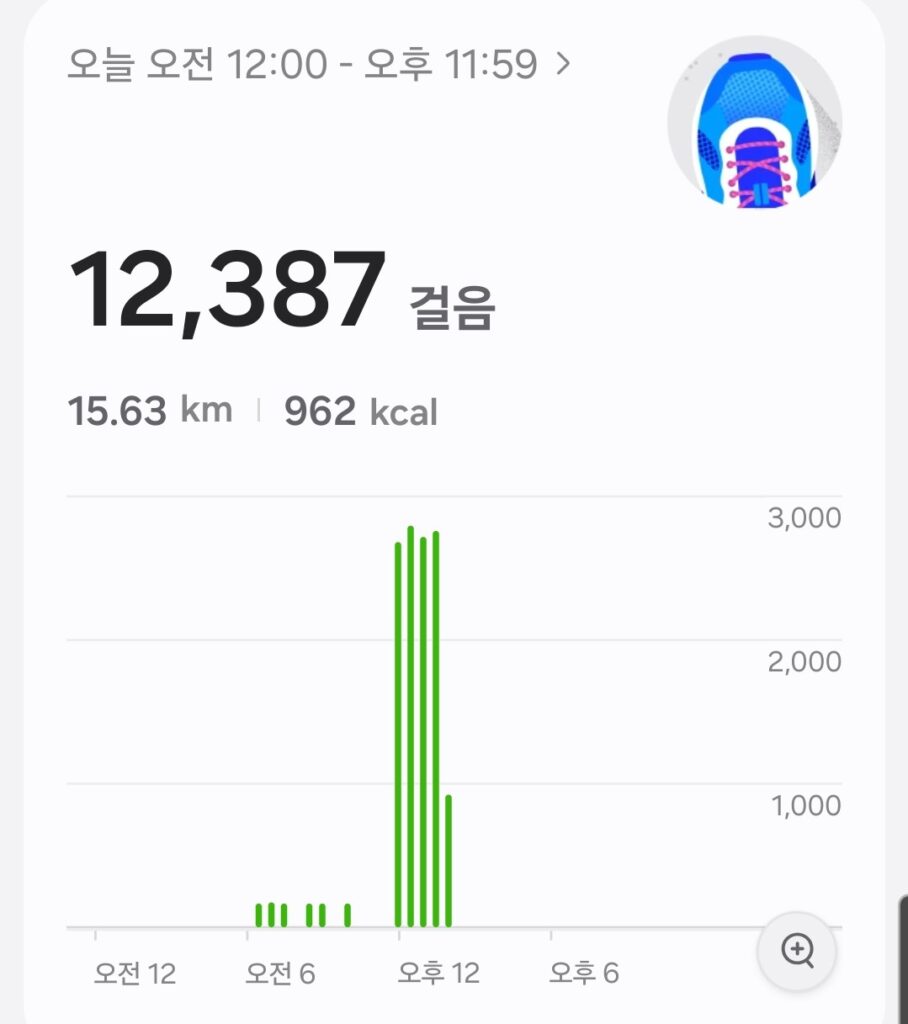
I realized I couldn’t rely on that after every meal.
I used the leftover zucchini and tofu filling, mixed it with eggs, and made a simple pan-fried dinner.
It was simple.
It was satisfying.
And it felt like the right choice for that evening.

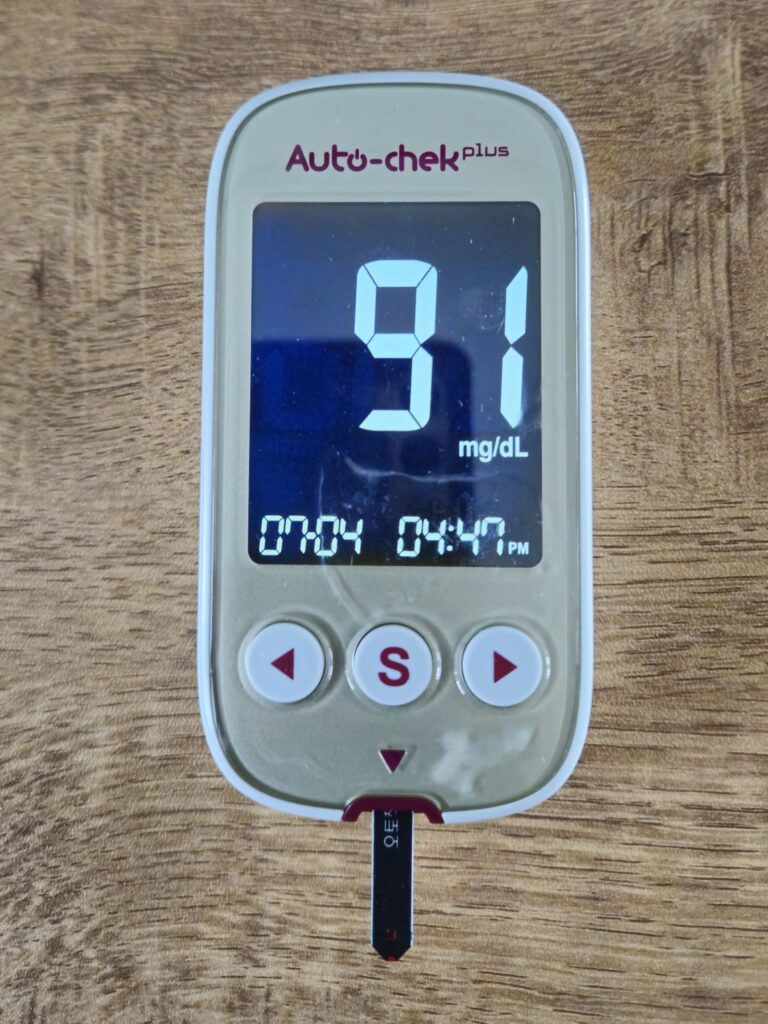
A few hours later…
My blood sugar had returned to 91 mg/dL.
That evening, one thought stayed with me.
One meal like that was enough for today.
I had already enjoyed the dumplings.
I had already asked my body to process a large carbohydrate load.
I had already spent time walking afterward.
I didn’t need to place the same demand on my metabolism again that evening.
Not because carbohydrates are the enemy.
But because I was beginning to understand the difference between restriction and adjustment.
For me, healthy living wasn’t becoming a list of forbidden foods.
It was becoming the ability to make better decisions after understanding my own body’s signals.
My Body Was More Complex Than I Thought
The more I observed my own blood sugar patterns, the more I realized something important.
Managing things like weight and blood sugar is rarely as simple as we want it to be.
Many health tips sound straightforward.
“Don’t eat this.”
“Walk for ten minutes after every meal.”
“Follow the right eating order.”
Some of those habits can absolutely help.
They certainly helped me.
But they didn’t explain everything.
Why did the same meal create different blood sugar responses on different days?
Why did the same walk sometimes work—and sometimes not?
Why could a homemade meal still produce a significant blood sugar spike?
Why could my HbA1c stay around 5.2%, while my blood sugar occasionally climbed above 200 mg/dL?
And perhaps the most important question…
Can one piece of advice truly work for everyone?
Over time, I realized the answer was no.
Every body is different.
Different muscle mass.
Different daily routines.
Different stress levels.
Different sleep.
Different eating habits.
Different habits built over years.
That is why what works well for someone else may not work the same way for you.
Understanding metabolism doesn’t begin with following someone else’s rules.
It begins with understanding your own body.
Why DiaLife Exists
DiaLife isn’t about sharing more health information.
The internet already has enough of that.
DiaLife is about something different.
It’s about sharing the questions…
The mistakes…
The experiments…
The observations…
And the moments that completely changed the way I think about health.
Instead of asking,
“What should I eat?”
I started asking,
“Why did my body respond this way?”
That one question changed everything.
I believe that once we begin to understand our body’s signals…
Weight management becomes more sustainable.
Blood sugar becomes less mysterious.
Healthy aging becomes more intentional.
Because real health doesn’t begin with perfect meals.
It begins with understanding the patterns that quietly shape our lives every single day.
That’s why DiaLife exists.
🌿 Today’s Reflection
Your body doesn’t judge one meal.
It learns from what you do repeatedly.
Instead of asking,
“Was this meal good or bad?”
Try asking,
“What pattern am I teaching my body today?”
Sometimes, a single question can change the way we think about health.
🌿 Next Story
I didn’t begin paying attention to blood sugar because I wanted to lose weight.
I began because I didn’t want diabetes.
Ironically, the more I understood my metabolism…
The easier it became to maintain a healthy weight.
Not for weeks.
Not for months.
But for more than eight years.
Why did that happen?
Why did focusing on metabolism make weight management feel more natural?
And why does DiaLife always begin with metabolism—not dieting?
That’s the story we’ll explore next.
Healthy Living Starts with You.
──────────────
📚 Continue Your DiaLife Journey
Every story begins with a single step.
- Healthy Living Starts with You
- Why DiaLife Is Different
- It’s Not About Losing Weight. It’s About Your Metabolism.
- Why Does the Same Meal Feel Different on Different Days?
- Why I Chose Low-Carb Clean Living Over Keto
- Your Body Remembers Patterns, Not Just Meals (You’re here.)
DiaLife Stories isn’t just a collection of health articles.
It’s the story of building a healthier life—
one choice, one lesson, and one day at a time.
◇ DiaLife Wellness
Healthy Living Starts with You.