

Why Does DiaLife Talk About Blood Sugar and Weight Management?
DiaLife is about NAGASALM—a life of caring for and nurturing yourself.
Yet look through this blog and you’ll find many stories about blood sugar, weight, food, and everyday habits.
Why do these subjects take up so much space in a wellness brand?
For me, the connection is personal. Caring for my body helps support the life I want to live.
I want to share meals with people I love, explore places I’ve never been, learn new things, and keep doing what matters to me.
That is why I pay attention to my health in everyday life—and why blood sugar and weight management became part of the DiaLife story.
I Want to Keep Doing the Things That Matter to Me
Taking care of ourselves cannot guarantee that we will avoid illness. We cannot prevent every change that comes with age.
But there are things we can do now: pay attention to our health, adjust our routines, and get treatment and support when we need them.
My hope is to preserve, for as long as possible, the time and ability to live the life I want.
Sometimes that means walking a trail I’ve dreamed of visiting. More often, it means ordinary things: shopping for groceries, cooking a meal, or heading out to meet someone I care about.
Health helps support those choices.

Five days and four nights—my first experience camping in the wilderness. At the beginning, I didn’t even know how to light the camping stove.
I care for myself today so I can keep trying things I’ve never done before.
That trek is one example from my life. Someone else’s goal may be very different.
What matters is the connection between caring for ourselves and the experiences we want to keep making room for.
I Saw How Blood Sugar Management Fits into Everyday Life
My mother lived with diabetes for 30 years.
I watched her manage insulin alongside meals and plans to go out. Preparing for a trip also meant thinking about food and treatment.
Through her experience, I came to understand that diabetes care reaches far beyond a lab report. It becomes part of planning an ordinary day.
Living with diabetes does not mean giving up restaurants, travel, or a fulfilling life. Treatment and support help people continue doing those things. What I saw was the attention and preparation that could be involved.
There is also a medical reason to take blood sugar seriously. Blood glucose is the glucose circulating in the blood, and glucose is an important source of energy. When blood glucose remains too high over time, it can contribute to damage affecting the eyes, kidneys, nerves, and other parts of the body. [1]
That gave blood sugar a meaning for me beyond a number that rises and falls after eating.
Later, when my own health checks showed blood sugar in the prediabetes range, I had another reason to look more closely at my health and daily habits.
Weight Matters in the Context of a Whole Life
I also came to see body weight as something connected with health and daily function.
Excess weight can place additional stress on joints, and overweight and obesity are associated with a higher risk of type 2 diabetes and several other health conditions. [2]
For some people, the impact may become noticeable when climbing stairs or walking for longer periods. But a person’s weight alone cannot tell us how healthy, strong, or capable they are.
When I talk about weight management, I mean considering a weight that supports your health, alongside how you feel and function in daily life. The aim is not simply to make the number as low as possible.
I began by wanting to lose weight. I lost 10 kg—about 22 pounds—and have maintained that loss for more than eight years.
During that time, my question gradually changed.
“How much weight can I lose?” became “What way of eating and living can I continue?”
That shift is an important part of why DiaLife approaches weight through the wider context of everyday health.
Why DiaLife Begins with Metabolic Health
Metabolism includes the processes through which the body uses and stores energy from food.
Alongside changes in my weight, I wanted to understand more about how my body was handling that energy.
So I began looking at blood sugar and weight in relation to meals, movement, sleep, and the habits I repeated.
That is the starting point for what DiaLife calls metabolism-centered healthy living: looking at these connections as part of caring for the body over time.
Blood sugar and weight are only part of that picture. Blood pressure, cholesterol and other blood fats, medical history, and other aspects of health matter too. Diabetes care itself includes attention to blood pressure and cholesterol as well as glucose. [3]
So why begin with blood sugar and weight?
They were the questions that felt most immediate in my own life and my family’s experience.
They are also questions many readers already have:
“I’m worried about my blood sugar.”
“I want to lose weight and keep it off.”
“I don’t know what to eat anymore.”
Those concerns can become a starting point for exploring the meals and routines that shape our days.
From there, the conversation grows—to movement, strength, sleep, and caring for our bodies as we get older.
Bringing That Care to the Everyday Table
For me, Low-Carb Clean Living became a way to put these ideas into practice through food and daily habits.
It began with paying attention to ordinary things: the meal in front of me, movement after eating, and the time I allowed for sleep and rest.
I wanted to find things I could do within the life I was already living, as well as during time set aside specifically for my health.

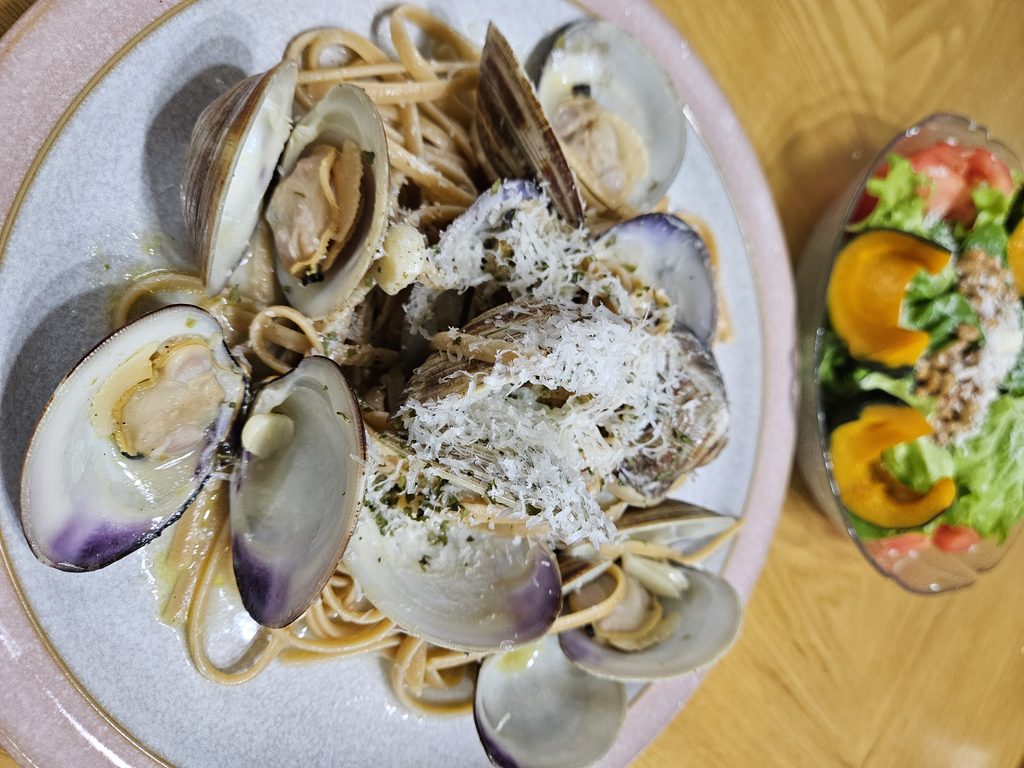
Two of my everyday meals: chicken with vegetable side dishes, and clam pasta with garlic and olive oil, served with salad.
I’m finding a way of eating I can continue while enjoying foods I love.
These are examples from my own table, rather than a meal plan for everyone to follow.
I want to keep doing my part in everyday life while working with healthcare professionals when treatment or guidance is needed.
The purpose is to support the life beyond the meal and the medical appointment: doing things I enjoy, spending time with people, and remaining open to new experiences.
The Life Behind the Numbers
At DiaLife, wellness describes the life we want to cultivate. Caring for metabolic health is where we began supporting its physical foundation.
That is why we talk about blood sugar and weight management.
These subjects give us practical ways to begin a larger conversation about caring for ourselves.
The numbers matter because of the person—and the life—behind them.
For me, that life includes familiar meals, people I love, and paths I still hope to walk.
That is how metabolic health connects with NAGASALM.
🌿 Today’s Reflection
What would you like caring for your health to help you keep doing?
It might be something you already enjoy, something you hope to try, or an ordinary part of life you value.
Keep that answer in mind as you explore the health questions that matter to you.
📚 Where Do I Begin?
If you’re ready to look more closely at your own routines, the next guide explores how to begin noticing patterns in your body, meals, and everyday life.
→ Weight Loss and Blood Sugar: Where Do I Start?
🌿 The Wellness Philosophy Behind DiaLife
For the wider idea of NAGASALM and caring for yourself in everyday life, read the first article:
→ What Is Wellness? Making Room for Yourself in Everyday Life
◇ DiaLife Wellness
Healthy Living Starts with You.
This article shares personal experience and general health information. Individual goals and treatment decisions should be discussed with a qualified healthcare professional.
References
- National Institute of Diabetes and Digestive and Kidney Diseases (NIDDK). What Is Diabetes?
- National Institute of Diabetes and Digestive and Kidney Diseases (NIDDK). Health Risks of Overweight & Obesity.
- National Institute of Diabetes and Digestive and Kidney Diseases (NIDDK). Managing Diabetes.