
I Thought Feeling Sleepy After Eating Was Just Normal
There was a time when I could become so sleepy after lunch that even driving afterward felt difficult.
It happened often enough that I barely questioned it.
And it didn’t always look like an obviously “unhealthy” meal.
A big bowl of noodles.
Pizza with soda.
Fried food with a sweet or creamy sauce.
Rice with several side dishes.
Or even a salad or grain bowl that looked healthy—until the dressing, sauce, toppings, portion size, and sweetened drink were added.
Then came the afternoon.
My energy would drop.
So I did what many of us do.
Coffee.
Something sweet.
A cookie.
A piece of bread.
Something to get me through the rest of the day.
Then dinner came.
And sometimes the eating continued long after I was actually hungry.
At the time, I didn’t see a pattern.
I saw separate problems.
Sleepy?
Get coffee.
Hungry?
Grab a snack.
Tired?
I must need more energy.
I was responding to each moment without asking what might be connecting them.
Eventually, one question changed that:
What keeps happening before I feel this way?

Could Feeling Sleepy After Eating Be Related to Blood Sugar?
Once I started paying closer attention to my blood sugar, an obvious question came back to me.
Could those sleepy afternoons have been related to what was happening to my blood sugar after I ate?
Possibly.
Blood glucose and other metabolic changes after eating may be part of post-meal sleepiness.
But they aren’t the whole story.
Feeling sleepy after eating does not automatically mean you have diabetes, prediabetes, or a blood sugar problem.
Meal size can matter.
What you eat can matter.
Poor sleep can make an afternoon crash worse.
Your natural body clock can contribute to that afternoon dip, too.
And there may be other explanations entirely.
So I stopped trying to diagnose myself from one feeling.
Instead, I became curious about what surrounded it.
What did I eat?
How much?
What did I drink with it?
How had I slept the night before?
Did I move afterward?
And did the same thing keep happening?
My question changed from:
“Why am I so sleepy?”
to:
“What did I eat—and how did my body respond afterward?”
That was a much more useful question.
Sometimes, the Meal Is More Than the Food We Blame
When people talk about blood sugar, it’s tempting to blame one food.
The bread.
The rice.
The noodles.
The dessert.
But a meal is rarely just one thing.
Was it really just the sandwich?
Or was it the sandwich, chips, soda, and the cookie afterward?
Was it really just the salad?
Or was it the salad with a sweet dressing, toppings, bread on the side, and a sweetened coffee?
Was it really just the rice?
Or did the portion, the sauce, the rest of the meal, and what happened afterward matter too?
I began to realize that asking whether one food was “good” or “bad” wasn’t giving me enough information.
I needed to look at the whole situation.
What I ate.
How much I ate.
What I ate with it.
And what I did afterward.
My Health Checkups Didn’t Tell the Whole Story
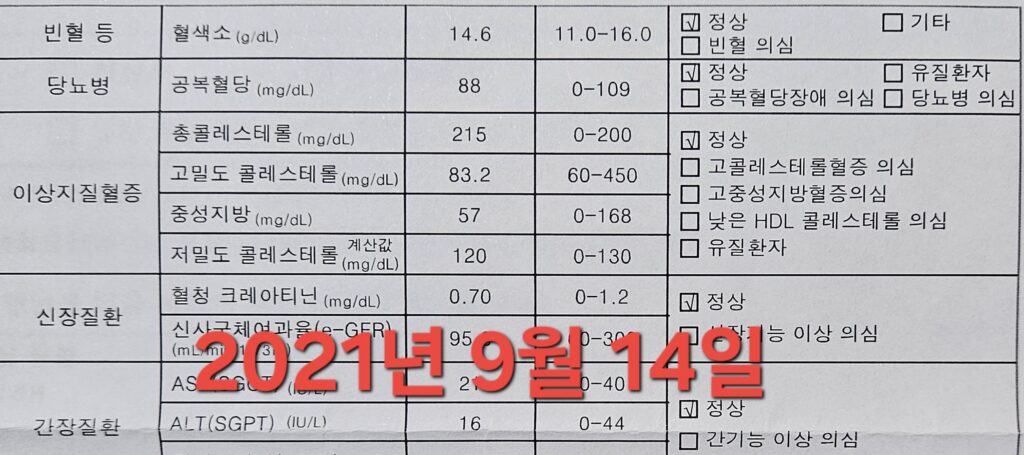
For years, routine health checkups hadn’t given me much reason to worry.
Before I was eventually told that my blood sugar was in the prediabetes range, I had never been told there was a major problem.
Sometimes, before a health screening, I would even eat a little better and take better care of myself for a few days.
Then the results would come back looking fine.
And it was easy to think:
“See? I’m okay.”
Health screenings matter.
Blood tests matter.
They can reveal things we should never ignore.
But eventually, I realized something:
A test result is an important snapshot.
My habits are the movie playing between the snapshots.
Between one blood test and the next, I was still eating.
Sleeping.
Moving—or not moving.
Getting hungry.
Feeling full.
Craving food.
Going to the bathroom.
Waking up tired.
Getting sleepy after lunch.
My life didn’t stop between health screenings.
Neither did my habits.
Blood Sugar Wasn’t the Only Signal I Had Been Missing
Blood sugar eventually became one of the things I watched more closely.
But it wasn’t the only clue my body had been giving me.
There was also:
Sleepiness after meals.
Hunger that returned sooner than expected.
Never quite feeling satisfied.
Afternoon energy crashes.
Changes in digestion.
Poor sleep.
Changes in weight.
None of these tells us exactly what is happening on its own.
A body signal isn’t a diagnosis.
It’s a reason to pay attention.
Is this different from usual?
Does it keep happening?
Does it happen after certain meals?
What happened before it?
What happens next?
The more I asked those questions, the less random these moments began to feel.
I started seeing patterns.
Blood Sugar Gave Me Another Piece of the Puzzle
Sleepiness is something I can feel.
Hunger is something I can feel.
An energy crash is something I can feel.
But a feeling alone doesn’t always tell me why it happened.
Blood sugar gave me another piece of information.
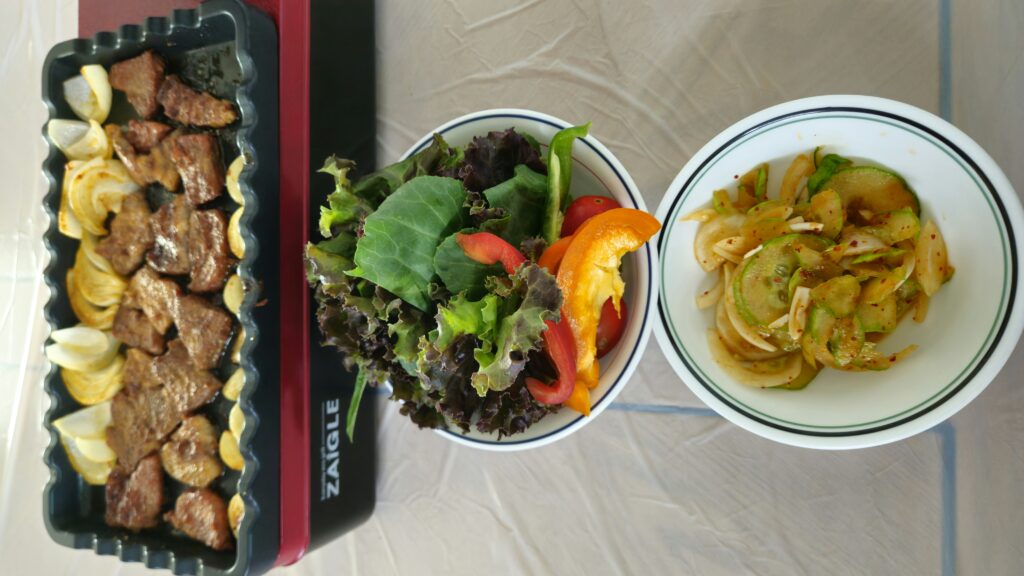
What did I eat?
How much?
When did I eat?
When did I move?
And what happened over the next few hours?
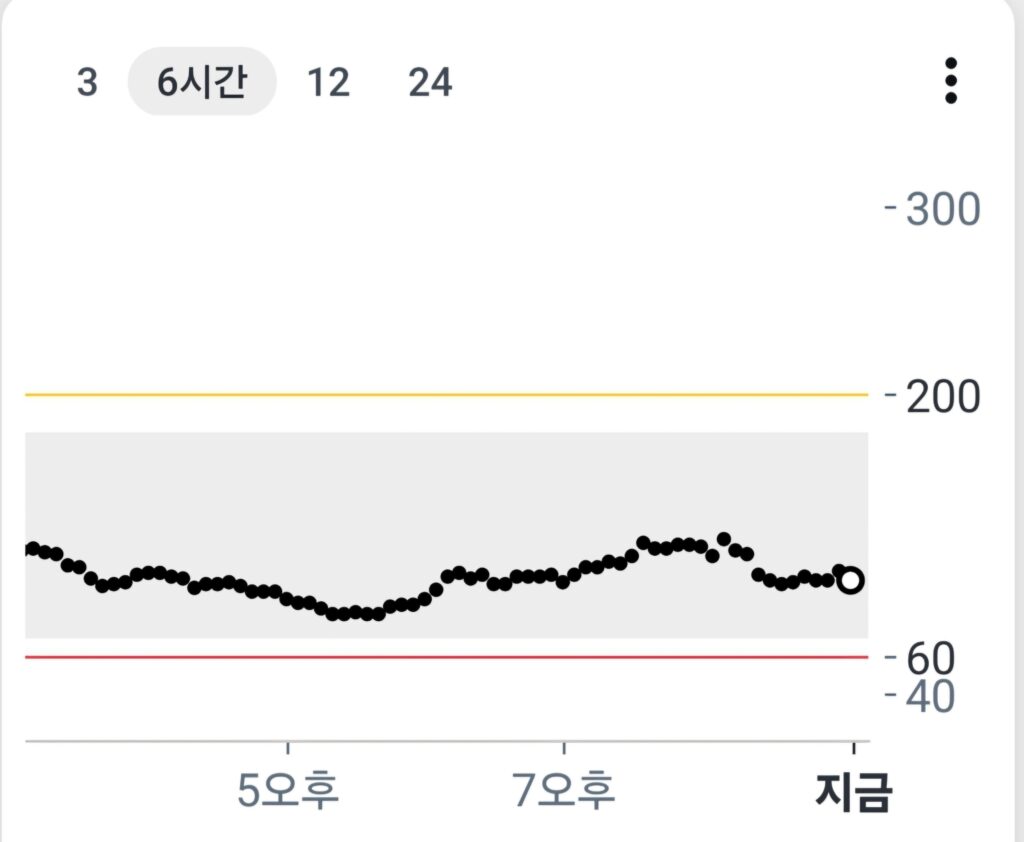
Later, wearing a Continuous Glucose Monitor (CGM) allowed me to see those changes over time.
But CGM didn’t magically give me all the answers.
It gave me better questions.
Was it really just the carbohydrate?
Did the amount matter?
Did timing matter?
What happened when I moved sooner?
What happened when I moved later?
What happened when I ate a similar meal on another day?
Blood sugar didn’t explain everything I felt.
But it helped me connect what I was feeling with what I had been doing.
And eventually, I stopped asking only:
“How do I stop getting sleepy after lunch?”
I started asking:
“What keeps happening before I feel this way?”
I Didn’t Need a Perfect Blood Sugar Score
My original reason for paying attention to blood sugar was simple.
I didn’t want diabetes.
But over time, what I learned became much bigger than one blood sugar reading.
If I wanted to lose weight and keep it off…
If I wanted to reduce my risk of progressing from prediabetes to type 2 diabetes…
If I wanted to feel better after meals…
And if I wanted a way of living I could actually maintain for years…
I couldn’t spend my life chasing perfect numbers.
I had to look at the things I could actually change.
My meals.
My portions.
My movement.
My sleep.
And most importantly:
what I repeated.
The Diabetes Prevention Program (DPP), sponsored by the U.S. National Institute of Diabetes and Digestive and Kidney Diseases, demonstrated just how much lifestyle change can matter.
Among adults at high risk for type 2 diabetes, an intensive lifestyle program focused on dietary changes, physical activity, and modest weight loss reduced the incidence of type 2 diabetes by 58% over about three years compared with placebo.
But the number 58% isn’t the part that stays with me most.
What stays with me is this:
Repeated habits can change outcomes.
And before I can change a habit,
I have to see it.
My Symptoms Started Showing Me My Habits
It’s easy to see someone else’s habits.
Our own can be surprisingly difficult to notice.
Mine were.
“It’s only today.”
“I’m just tired.”
“One snack won’t matter.”
And each moment really did seem small.
But days disappear.
Patterns don’t.
Sleepy after lunch.
A sweet coffee in the afternoon.
A snack at my desk.
More food after dinner.
Something sweet again the next day.
One moment didn’t define my health.
But when the same moments kept repeating, they began to show me something:
how I was actually living.
That is why I pay attention to body signals now.
Not because every symptom needs to be fixed.
Not because every symptom means something is wrong.
But because repeated signals can help reveal repeated habits.
Then I Started Asking the Same Question About Digestion
This way of thinking didn’t stop with blood sugar.
For years, when bowel movements became uncomfortable, I looked for something to fix them.
Probiotics.
Magnesium.
Psyllium husk.
And if one thing didn’t solve the problem?
I looked for something else to add.
Then my question changed.
Instead of asking:
“What else should I take?”
I asked:
“What am I actually eating every day?”
That question led me somewhere very different.
As my meals changed and I began eating a wider variety of vegetables regularly, my digestion changed too.
Eventually, I stopped taking the probiotics I had used for years because I no longer felt I needed them.
But the most important lesson wasn’t:
“Eat vegetables instead of taking probiotics.”
It was the question underneath it:
Before I add another solution to fix the result, have I looked at what might be creating it?
That’s where we’ll go next.
Your Body Is Talking Every Day
Sometimes I think about body signals the way I think about a baby crying.
When a baby cries, we don’t simply say:
“Stop crying.”
We wonder why.
Hungry?
Tired?
Uncomfortable?
In pain?
The crying doesn’t tell us exactly what is wrong.
It tells us to pay attention.
Our bodies deserve the same curiosity.
Feeling sleepy after eating doesn’t diagnose diabetes.
Craving something sweet doesn’t diagnose insulin resistance.
Feeling tired doesn’t tell us exactly what is wrong.
And body signals should never replace appropriate medical testing or care.
But repeatedly ignoring what feels different doesn’t help us understand ourselves either.
There is something we can do between one health checkup and the next.
Notice.
What keeps happening?
When does it happen?
What happened before it?
And what have I been repeating?
Because many of the things we can change are surprisingly ordinary.
What we eat.
How much we eat.
What we drink.
When we move.
How we sleep.
And what we do again tomorrow.
Sometimes the Signal Comes Before the Result
Maybe you’re trying to lose weight.
Maybe you’ve lost weight before—and you’re afraid it will come back again.
Maybe your fasting blood sugar has started creeping up.
Maybe you’ve been told you have prediabetes.
Or maybe you simply keep wondering:
“Why do I feel so tired after I eat?”
These may look like different problems.
And they may have different causes.
But before immediately searching for another diet, another food to avoid, another supplement, or another quick fix, there is one question worth asking:
What keeps happening before the result appears?
The meal.
The portion.
The drink.
The afternoon crash.
The snack.
The late-night eating.
The sleep.
The movement.
The digestion.
The repetition.
You don’t need to interpret every signal perfectly.
You need to notice enough to start asking better questions.
Because sometimes,
the result isn’t where the story begins.
🌿 Today’s Reflection
Think about the last few times you felt unusually sleepy after eating.
Instead of asking only:
“How do I stop feeling tired?”
try asking:
“What happened before I felt this way?”
What did you eat?
How much?
What did you drink?
How had you slept?
When did you move?
And most importantly:
Does the same pattern keep happening?
Sometimes, the first step isn’t fixing the signal.
It’s noticing what keeps happening around it.
🌿 Next Story
We spend a lot of time thinking about what goes into our bodies.
But how often do we pay attention to what comes out?
For years, when my bowel movements became uncomfortable, I searched for something else to take.
Probiotics.
Magnesium.
Psyllium husk.
But eventually, I asked a different question:
What if the answer wasn’t something else I needed to add?
What if I needed to look more closely at what I was eating every day?
In the next DiaLife story, I’ll share why bowel movements became another body signal I started paying attention to—and what they taught me about food, blood sugar, and weight management.
Healthy Living Starts with You.
──────────────
📚 Continue Your DiaLife Journey
Every story begins with a single step.
- Healthy Living Starts with You
- Why DiaLife Is Different
- It’s Not About Losing Weight. It’s About Your Metabolism.
- Why Does the Same Meal Feel Different on Different Days?
- Why I Chose Low-Carb Clean Living Over Keto
- Your Body Remembers Patterns, Not Just Meals
- How I Lost 10 kg, Kept It Off for 8 Years—and Why I Started Watching My Blood Sugar
- Why Do I Get So Sleepy After Eating? Could Blood Sugar Be One Reason? (You’re here.)
DiaLife Stories isn’t just a collection of health articles.
It’s the story of building a healthier life—one choice, one lesson, and one day at a time.
◇ DiaLife Wellness
Healthy Living Starts with You.