
Wegovy and Mounjaro have changed the conversation around weight loss.
For many people, losing a significant amount of weight no longer feels impossible.
But there is another question that receives far less attention:
What happens after the weight comes off?
What happens when your appetite changes again?
When life gets busy?
When you eat pizza with friends?
When you travel?
When you stop following the plan perfectly?
And for people who eventually stop taking a weight-loss medication under medical guidance:
What will help them maintain the weight they lost?
I think about this question for a very personal reason.
I lost 10 kg without weight-loss medication.
And I have kept it off for more than eight years.
But the most important thing I learned wasn’t how to lose weight.
It was how to live after losing it.
Losing weight requires a method.
Keeping it off requires a life you can return to.
Weight Loss and Weight Maintenance Are Not the Same Problem
There is no question that GLP-1–based medications can produce substantial weight loss for many people who meet the medical criteria for treatment.
But clinical trials have also shown something important about what can happen after treatment stops.
In an extension of the STEP 1 trial, participants who had taken semaglutide 2.4 mg regained, on average, about two-thirds of their prior weight loss within a year after treatment and lifestyle intervention were withdrawn.
A similar question was studied with tirzepatide.
In SURMOUNT-4, participants first lost an average of 20.9% of their body weight during 36 weeks of tirzepatide treatment. Those who were then switched to placebo regained an average of 14.0% over the following 52 weeks, while those who continued tirzepatide lost additional weight.
That doesn’t mean these medications “don’t work.”
Quite the opposite.
It tells us that obesity and weight maintenance are more complicated than simply reaching a goal weight.
If the weight returns, do we simply start again?
And if it returns again, do we search for another method?
I think that question matters whether someone loses weight with medication, through changes in diet, or through another medically appropriate approach:
What are you returning to once the weight is gone?
I Used to Think Losing Weight Required More
Long before Wegovy and Mounjaro became household names, I had my own version of chasing the “right” way to lose weight.
At one point, I followed a ketogenic diet.
And my kitchen began filling with things I thought I needed.
Ghee.
Cream.
Mascarpone.
Almond flour.
Coconut flour.
Psyllium husk.
Special ingredients.
Supplements.
I changed the way I ate because I wanted to reduce carbohydrates.
And I did lose weight.
But another problem appeared.
“How long am I going to eat like this?”
Social gatherings became something I had to think about.
Eating out became something I had to think about.
Sometimes I became frustrated at mealtimes.
Eating wasn’t enjoyable anymore.
That was when I realized something important:
A diet that helps you lose weight isn’t necessarily a way of eating you can live with.

Instead of searching for an even better way to lose weight, I began building meals and habits I could actually continue.
My Everyday Meals Became Much Simpler
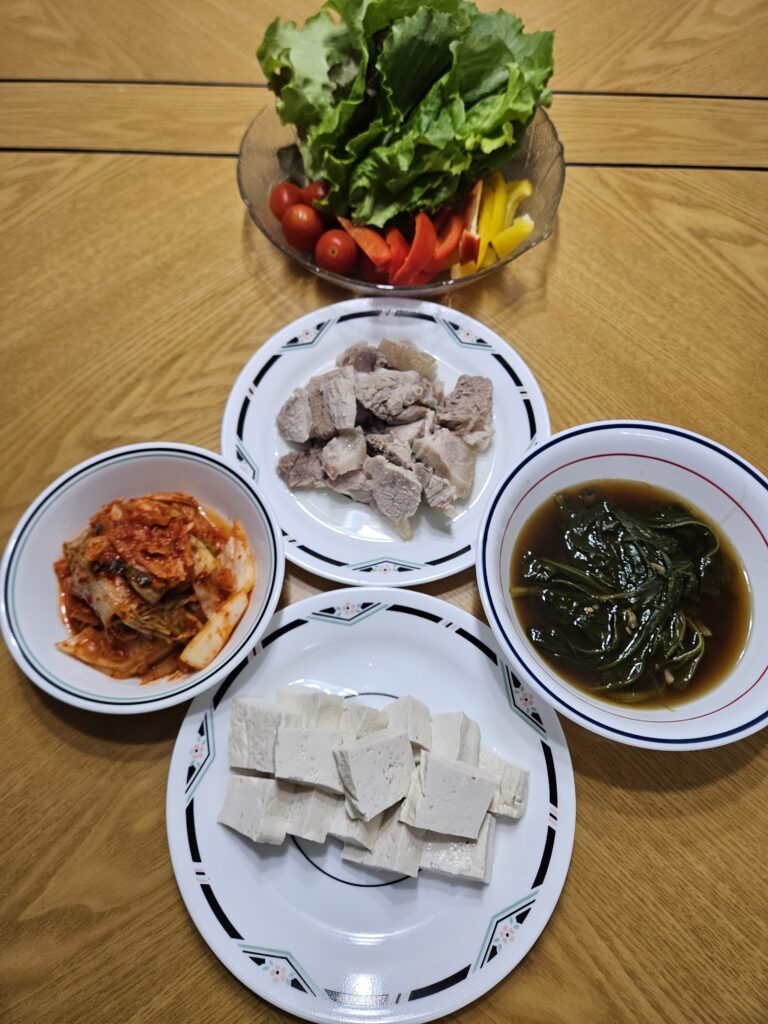
Today, my meals don’t look like a diet program.
They look like food.
Vegetables.
Protein.
A simple soup.
Sometimes tofu.
Kimchi and other everyday foods I grew up eating.
I pay attention to carbohydrates, but I don’t believe every carbohydrate needs to disappear.
I pay attention to portions.
I pay attention to how I feel after eating.
And I pay attention to what happens when the same choices repeat.
That distinction became important.
Because maintaining weight for eight years did not mean eating perfectly for eight years.
Far from it.
I Eat Pizza. I Eat Cake. I Sometimes Eat Noodles.
This surprises people.
They assume that maintaining a 10 kg weight loss for years must require extraordinary discipline.
It doesn’t.
I eat pizza.
I eat cake.
I occasionally eat noodles.
I go out for dinner.
I travel.
Sometimes I eat more than I intended.
But when that happens, I don’t tell myself:
“I ruined everything.”
If I eat pizza, I return at the next meal.
If I eat out, I return the next day.
If I eat more than usual, I return to my usual way of eating.
I don’t turn one meal into an entire weekend.
And I don’t punish myself the next day.
I simply return.
To my usual meals.
To my usual portions.
To movement.
To sleep.
To the ordinary routines that make up most of my life.
That is probably one of the most important things eight years of weight maintenance has taught me:
Your occasional meals don’t need to look like your everyday meals.
Movement Is Part of My Life, Not Payment for Food
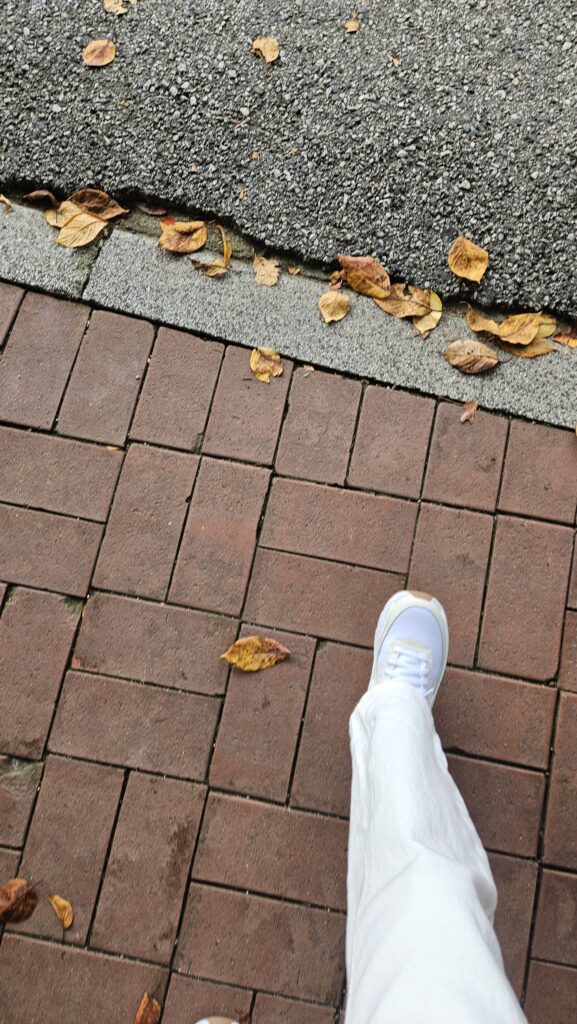
Walking became another part of that everyday structure.
I often walk after meals.
Not because I believe I need to “burn off” what I just ate.
And not because exercise gives me permission to eat.
I began paying more attention to walking because of what I learned from watching my own blood sugar.
When I ate mattered.
How much I ate mattered.
And when I moved mattered.
Over time, this changed the way I thought about weight maintenance.
I wasn’t maintaining my weight by constantly trying to lose weight.
I was maintaining the life that made that weight possible.
The Goal Isn’t to Never Leave the Road
This is perhaps the easiest way I can explain DiaLife.
Imagine a road you travel most days.
Your usual meals.
Your movement.
Your sleep.
The way you manage your blood sugar.
The habits you repeat without thinking very much about them.
Then there are the detours.
Pizza.
Cake.
A celebration.
Vacation.
Dinner with friends.
A day when nothing goes according to plan.
I take those roads too.
The difference is that I don’t mistake a detour for a new destination.
I know how to come back.

For me, that road is my everyday table.
Movement.
Sleep.
Blood sugar awareness.
And the habits I repeat.
It became what I call Low-Carb Clean Living.
Not keto.
Not a temporary diet.
Not a list of foods I am never allowed to eat.
It is simply the way I organize my everyday life:
A lower-carbohydrate foundation.
Mostly whole foods.
Enough time between meals.
Movement.
Sleep.
Blood sugar awareness.
And repetition.
Not perfection.
Because one idea has stayed with me throughout this journey:
Your body remembers patterns, not just meals.
Weight Regain Isn’t a Moral Failure
This matters especially in the current conversation around weight-loss medications.
When weight returns after treatment ends, it is tempting to reduce the story to willpower.
“You should have controlled yourself.”
“You should have eaten less.”
“You should have tried harder.”
But human weight regulation is far more complex than that.
The clinical evidence from medication-withdrawal studies itself shows that maintaining weight loss can be biologically difficult.
So I don’t think the useful question is:
“Why can’t people just keep the weight off?”
A better question is:
“What support does this person need to maintain the health they gained?”
For some people, continued medical treatment may be part of that answer.
That is a conversation to have with a qualified healthcare professional.
But medication and everyday life are not competing ideas.
People still wake up every morning.
They still eat.
They still sleep.
They still move.
They still travel, celebrate, get stressed, become tired, and live ordinary lives.
Weight management has to work in that life.
Blood sugar management has to work in that life.
And taking care of our health has to work there too.
Because if it only works when life is perfect, it isn’t something we can truly live with.
I Didn’t Maintain 10 kg of Weight Loss by Staying on a Diet for Eight Years
This may be the most important distinction.
I have not been “dieting” for eight years.
I built a way of living that became normal enough that I could stop thinking about dieting all the time.
That doesn’t mean my body never changes.
It doesn’t mean every blood sugar reading is perfect.
And it certainly doesn’t mean every meal is ideal.
It means I have somewhere to return.
My table.
My movement.
My sleep.
My habits.
My awareness of my body’s signals.
My everyday life.
That’s what weight maintenance looks like to me now.
Not:
“How long can I stay on this diet?”
But:
“Can I imagine living this way years from now?”
Because losing weight may change the number on the scale.
What you can return to may determine what happens next.
🌿 Today’s Reflection
If you’re trying to lose weight—or you’ve already lost it—try asking yourself one question:
What will I return to when I’m no longer actively trying to lose weight?
Not your perfect Monday.
Not your strictest meal plan.
Not the version of you who never travels, celebrates, gets tired, or eats pizza.
Your real life.
Because maintaining weight doesn’t require a life without detours.
It requires a road you can find again.
🌿 Next Story
When I stopped thinking of healthy eating as a temporary diet, another question became much more important:
How much is enough?
Because even foods we call “healthy” can become something very different when the amount changes.
Nuts.
Fruit.
Low-carb foods.
Protein.
Even homemade meals.
In the next DiaLife story, we’ll talk about something I call:
The Law of Total Amount.
Why “what” we eat matters—but sometimes how much quietly changes the entire story.
Healthy Living Starts with You.
──────────────
📚 Continue Your DiaLife Journey
Every story begins with a single step.
- Healthy Living Starts with You
- Why DiaLife Is Different
- It’s Not About Losing Weight. It’s About Your Metabolism.
- Why Does the Same Meal Feel Different on Different Days?
- Why I Chose Low-Carb Clean Living Over Keto
- Your Body Remembers Patterns, Not Just Meals
- How I Lost 10 kg, Kept It Off for 8 Years—and Why I Started Watching My Blood Sugar
- Why Do I Get So Sleepy After Eating? Could Blood Sugar Be One Reason?
- Constipated? Before You Reach for Probiotics, Look at What You Eat
- Lost Weight With Wegovy or Mounjaro? The Bigger Question Is What Happens Next (You’re here.)
DiaLife Stories isn’t just a collection of health articles.
It’s the story of building a healthier life—one choice, one lesson, and one day at a time.
◇ DiaLife Wellness
Healthy Living Starts with You.
References
Wilding JPH, Batterham RL, Davies M, et al. Weight regain and cardiometabolic effects after withdrawal of semaglutide: The STEP 1 trial extension. Diabetes, Obesity and Metabolism. 2022.
Aronne LJ, Sattar N, Horn DB, et al. Continued Treatment With Tirzepatide for Maintenance of Weight Reduction in Adults With Obesity: The SURMOUNT-4 Randomized Clinical Trial. JAMA. 2024.